How to Choose a Reliable Kota Stone Supplier
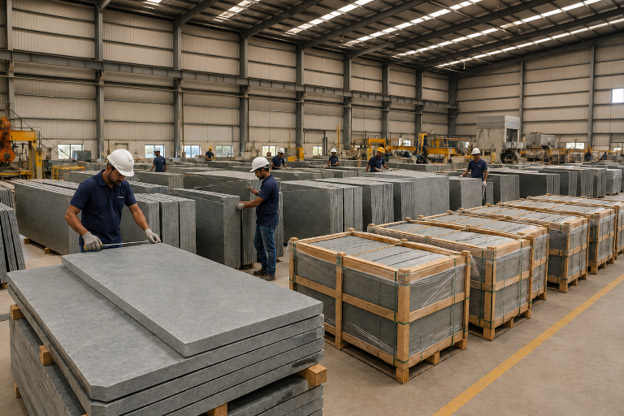
Choosing a reliable Kota Stone Supplier involves more than comparing prices. Evaluate the supplier's manufacturing capability, stone quality, grading process, sizing accuracy, packaging standards, delivery performance, customer support, and industry reputation. A trusted supplier helps ensure consistent quality, timely delivery, and long-term value for residential and commercial projects.
Selecting the right Kota Stone Supplier is one of the most important decisions in any natural stone project. Whether you are building a home, designing a commercial complex, developing government infrastructure, or sourcing materials for export, the supplier you choose directly affects product quality, project timelines, installation efficiency, and overall costs.
Many buyers focus only on the lowest price. While cost is important, it should never be the only deciding factor. Low-priced materials often come with hidden issues such as inconsistent thickness, poor finishing, inaccurate sizing, weak packaging, or delayed deliveries. These problems may increase installation costs and create avoidable project delays.
A professional supplier does much more than sell stone. They understand quarry sourcing, manufacturing processes, quality inspection, packaging standards, logistics, and customer requirements. Their expertise helps buyers receive materials that meet both technical and aesthetic expectations.
This guide explains how to evaluate suppliers using practical criteria that matter to homeowners, architects, contractors, dealers, importers, and commercial buyers. Instead of promotional claims, you'll learn how experienced buyers assess suppliers before placing an order.
Why Choosing the Right Kota Stone Supplier Matters
Natural stone is a long-term investment. Once installed, flooring is expected to perform for decades with minimal maintenance. That makes supplier selection just as important as choosing the stone itself. A dependable supplier contributes to project success in several ways:
Better Material Consistency
Every batch should maintain consistent:
- Thickness
- Surface finish
- Dimensions
- Color variation
- Edge quality
Consistent materials simplify installation and reduce waste at the project site.
Lower Installation Costs
Poorly calibrated stone requires additional cutting, grinding, leveling, and labor. Even if the purchase price is lower, installation expenses often increase significantly. Properly processed kota stone helps installers work faster while producing cleaner, more uniform flooring.
Reliable Project Timelines
Construction schedules depend on timely material delivery. Delays in stone supply can postpone flooring work, interior finishing, and project handover. Reliable suppliers maintain organized production planning and logistics to minimize disruptions.
Better Long-Term Performance
High-quality natural stone offers:
- Excellent durability
- Strong load-bearing capacity
- Low maintenance requirements
- Weather resistance
- Long service life
Choosing a trusted supplier helps ensure these qualities are maintained throughout the production process.
Professional Technical Support
Experienced suppliers assist buyers with:
- Product selection
- Finish recommendations
- Thickness guidance
- Quantity estimation
- Packaging advice
- Installation considerations
This support reduces purchasing mistakes, particularly for first-time buyers.
Manufacturer vs Trader vs Local Dealer
Not every company selling Kota Stone operates in the same way. Understanding the difference helps buyers choose the most suitable sourcing partner.
| Feature | Manufacturer | Trader | Local Dealer |
|---|---|---|---|
| Own Processing Facility | ✅ Yes | ❌ Usually No | ❌ No |
| Production Control | High | Medium | Low |
| Custom Sizes | Yes | Limited | Limited |
| Bulk Supply | Excellent | Good | Moderate |
| Quality Consistency | High | Depends on Source | Varies |
| Price Transparency | Better | Variable | Often Higher |
| Export Capability | Usually Available | Sometimes | Rare |
| Technical Knowledge | Extensive | Moderate | Basic |
Buying from a Manufacturer
A manufacturer generally controls multiple stages of production, including stone processing, cutting, finishing, grading, and quality inspection. This level of control often results in better consistency and greater flexibility for custom requirements. Manufacturers are usually the preferred choice for:
- Large commercial projects
- Infrastructure developments
- Government tenders
- Export orders
- Bulk purchases
- Custom dimensions
Buying from a Trader
Traders purchase materials from different factories and sell them under their own business name. Advantages include:
- Access to products from multiple sources
- Wider product variety
- Faster availability for some items
However, quality consistency may vary depending on the manufacturing source.
Buying from a Local Dealer
Local dealers are convenient for small residential purchases and urgent requirements. They can be suitable for:
- Home renovation
- Small flooring repairs
- Limited quantity purchases
For larger projects, buyers should verify the origin and quality consistency of the supplied material.
Important Quality Checks Before Purchasing Kota Stone
Before confirming any order, inspect the material carefully rather than relying only on photographs or product descriptions. Professional buyers typically evaluate the following aspects.
1. Stone Grade
Not all Kota Stone belongs to the same quality category. A reliable supplier should clearly explain:
- Commercial grade
- Standard grade
- Premium grade
- Project-specific grading
Higher grades generally offer improved appearance, fewer natural imperfections, and better dimensional accuracy.
2. Surface Finish
Different applications require different finishes. Common finishes include:
- Natural finish
- Honed finish
- Polished finish
- Leather finish
- Shot blast finish
- Sandblasted finish
- Brushed finish
- Machine-cut finish
Ask whether the finish is produced using standardized machinery for consistent results.
3. Thickness Accuracy
Thickness variations create uneven flooring and increase installation time. Before purchasing, verify:
- Nominal thickness
- Actual tolerance
- Calibration process
- Quality inspection method
Uniform thickness improves installation speed and minimizes adhesive consumption.
4. Dimensional Accuracy
Poor sizing creates visible gaps between tiles and increases material wastage. Check whether the supplier maintains:
- Uniform length
- Uniform width
- Square edges
- Right-angle corners
- Machine calibration
Dimensional consistency is especially important for large commercial flooring projects.
5. Color Consistency
As a natural stone, slight color variation is expected and often appreciated. However, excessive variation within a single shipment can affect the overall appearance of the finished floor. A reliable supplier should sort materials carefully and supply batches with a balanced, consistent visual tone suitable for the intended application.
6. Edge Quality
Well-finished edges contribute to faster installation and a cleaner final appearance. Inspect for:
- Chipped edges
- Broken corners
- Rough cuts
- Edge straightness
- Finishing quality
Poor edge quality may require additional on-site finishing, increasing labor time and costs.
Factory Infrastructure and Production Capability
A supplier's production setup is a strong indicator of their ability to deliver consistent quality, especially for medium and large-scale projects. While buyers may not always visit the factory, asking the right questions about manufacturing infrastructure can reveal a great deal about operational reliability.
Why Infrastructure Matters
Modern processing facilities typically provide better control over:
- Stone cutting accuracy
- Surface finishing consistency
- Thickness calibration
- Quality inspection
- Production speed
- Inventory management
Suppliers with organized production systems are generally better equipped to meet deadlines, handle repeat orders, and maintain uniform quality across multiple batches.
Key Production Capabilities to Evaluate
Before finalizing a supplier, ask whether they have:
Modern Cutting Equipment
Precision cutting machines help produce tiles and slabs with consistent dimensions, reducing on-site adjustments and material wastage.
Finishing Facilities
A capable supplier should be able to offer multiple surface finishes suitable for different applications, including indoor flooring, outdoor paving, commercial spaces, and landscape projects.
Quality Inspection Process
Reliable suppliers usually inspect products at different stages of production rather than only before dispatch. Ask questions such as:
- How is stone graded?
- Are dimensions checked before packing?
- Is each batch inspected for defects?
- How is consistency maintained across bulk orders?
Production Capacity
Production capacity becomes particularly important for:
- Commercial buildings
- Residential townships
- Infrastructure projects
- Export shipments
- Government tenders
Suppliers should be able to communicate realistic production volumes and delivery schedules instead of making commitments they cannot fulfill.
Inventory Availability
Maintaining adequate stock allows suppliers to respond more efficiently to urgent requirements while reducing waiting times for standard products. For custom orders, inquire about estimated manufacturing lead times and whether raw material availability could affect delivery.
Experience and Reputation
Experience in the natural stone industry often reflects a supplier's understanding of quarry selection, processing techniques, quality control, logistics, and customer expectations. While years in business alone do not guarantee quality, they can indicate operational stability and market knowledge.
Signs of a Reliable Supplier
Consider evaluating the following factors:
- Experience handling residential and commercial projects
- Ability to supply bulk quantities consistently
- Knowledge of different stone finishes and applications
- Transparent communication during the buying process
- Positive customer feedback and repeat business
- Clear business information and professional documentation
Check Their Portfolio
Ask whether the supplier has previously supplied materials for:
- Residential villas
- Apartment projects
- Hotels
- Hospitals
- Educational institutions
- Industrial facilities
- Public infrastructure
A diverse project portfolio often demonstrates the ability to meet varying technical and logistical requirements.
Evaluate Industry Knowledge
An experienced supplier should be able to answer practical questions about:
- Suitable stone finishes for different environments
- Recommended thickness for specific applications
- Maintenance requirements
- Installation best practices
- Packaging options for long-distance transportation
Suppliers who provide clear, technically sound guidance are more likely to support successful project outcomes rather than simply completing a sale.
Certifications and Quality Standards
A professional supplier should follow documented quality processes and comply with relevant industry standards wherever applicable. While certification requirements may vary depending on the project type and destination market, buyers should still ask about quality assurance practices before placing an order.
What to Ask
Request information about:
- Quality inspection procedures
- Stone grading methods
- Dimension tolerance standards
- Packaging protocols
- Material traceability (where applicable)
- Export documentation (for international shipments)
Why Standards Matter
Consistent quality standards help reduce:
- Installation issues
- Material rejection
- Project delays
- Unexpected replacement costs
- Variations between production batches
For architects, contractors, and commercial buyers, documented quality practices provide greater confidence when sourcing materials for long-term projects.
Reliable vs Unreliable Kota Stone Supplier
| Evaluation Criteria | Reliable Kota Stone Supplier | Unreliable Supplier |
|---|---|---|
| Product Quality | Consistent grading and inspection | Quality varies between batches |
| Size Accuracy | Machine-calibrated dimensions | Inconsistent sizing |
| Thickness | Uniform with defined tolerances | Uneven thickness |
| Surface Finish | Consistent and professionally processed | Irregular or poorly finished |
| Pricing | Transparent quotations with clear specifications | Hidden charges or vague pricing |
| Production Capability | Can handle bulk and repeat orders | Limited capacity |
| Communication | Responsive and technically knowledgeable | Delayed or unclear responses |
| Sample Availability | Provides samples on request | Avoids sending samples |
| Delivery Commitment | Shares realistic timelines | Makes unrealistic promises |
| After-Sales Support | Assists with order-related issues | Limited support after dispatch |
Packaging and Transportation Quality
Even the highest-quality Kota Stone can arrive damaged if it is not packed and transported properly. Chipped edges, cracked tiles, broken corners, and surface scratches are often caused by poor handling rather than poor manufacturing. That is why packaging and logistics should be an important part of your supplier evaluation process.
A reliable supplier follows standardized packing methods to protect the stone throughout loading, transit, unloading, and storage.
What to Check Before Dispatch
Ask the supplier about:
- Packaging material used for tiles and slabs
- Wooden crates or pallets for long-distance transportation
- Edge and corner protection
- Moisture-resistant wrapping
- Proper labeling of sizes and quantities
- Safe loading practices
For export orders, confirm whether the packaging is suitable for sea freight and long transit times.
Why Good Packaging Matters
Proper packaging helps:
- Reduce breakage during transportation
- Minimize material wastage
- Improve unloading efficiency
- Protect polished or finished surfaces
- Lower replacement costs
Domestic Supply vs Export Quality Supply
Many buyers assume that all stone is processed to the same standard. In reality, quality expectations often vary depending on the destination market. A professional supplier should clearly explain the quality specifications available instead of using vague terms such as "export quality."
Domestic Supply
Domestic projects usually prioritize:
- Competitive pricing
- Standard sizes
- Reliable durability
- Practical finishes
- Fast delivery
Suitable for:
- Residential homes
- Commercial buildings
- Schools
- Hospitals
- Retail spaces
- Public infrastructure
Export Quality Supply
International buyers generally require stricter quality control due to shipping distances and project specifications. Export-grade supply may include:
- Better dimensional accuracy
- Consistent thickness
- Enhanced surface finishing
- Stronger packaging
- Detailed inspection before dispatch
- Documentation for international shipping
Rather than simply asking for "export quality," request the exact specifications, tolerances, finish, and inspection standards that will be followed.
Pricing Transparency
Price is an important factor, but choosing the lowest quotation without understanding what is included can become an expensive mistake. A reliable supplier provides a detailed quotation that clearly explains what you are paying for.
A Transparent Quote Should Include
- Stone grade
- Dimensions
- Thickness
- Surface finish
- Quantity
- Unit price
- Packaging charges (if applicable)
- Transportation terms
- Applicable taxes
- Delivery timeline
Avoid suppliers who provide only a single price without explaining product specifications.
Questions to Ask About Pricing
- Is the quoted price based on square feet or square meters?
- Are packing and transportation included?
- Does the price change for bulk orders?
- Are there additional loading charges?
- What are the payment terms?
Understanding the complete cost helps prevent unexpected expenses later.
Bulk Order Considerations
Large projects require more planning than simply placing a bigger order. Whether you're sourcing for a township, hotel, commercial complex, government project, or export shipment, consistency becomes more important as order size increases.
Evaluate These Factors
Production Capacity
Can the supplier produce the required quantity within your project timeline?
Batch Consistency
Large orders should maintain:
- Uniform color
- Consistent finish
- Similar thickness
- Accurate sizing
Inventory Availability
Ask whether the required quantity is already available or needs to be manufactured.
Dispatch Planning
Large orders are often delivered in multiple shipments. Confirm:
- Dispatch schedule
- Batch identification
- Delivery sequence
- Storage recommendations
Custom Sizes and Surface Finishes
Every project has unique design requirements. Standard sizes may not always be suitable. A capable supplier should be able to discuss customization options based on your application.
Common Customization Options
- Custom tile dimensions
- Custom slab sizes
- Different thicknesses
- Machine-cut edges
- Surface finishes
- Project-specific calibration
Questions to Ask
- What is the minimum order quantity for custom sizes?
- How much additional production time is required?
- Are custom samples available before full production?
Custom orders should always be confirmed in writing with detailed specifications.
Sample Availability
Never rely only on product photographs.
Lighting conditions, camera angles, and image editing can make stone appear different from the actual material. Requesting a physical sample is one of the simplest ways to reduce purchasing risk.
Evaluate the Sample Carefully
Check the sample for:
- Color consistency
- Surface finish
- Thickness accuracy
- Edge quality
- Natural texture
- Overall workmanship
For larger projects, ask whether the supplied sample accurately represents the full production batch.
Customer Support After Delivery
A supplier's responsibility should not end when the truck leaves the factory. Professional companies continue supporting customers after delivery by helping resolve any order-related concerns.
Good After-Sales Support Includes
- Assistance with installation-related questions
- Order verification
- Quantity clarification
- Replacement policy (where applicable)
- Delivery issue resolution
- Technical guidance
Reliable communication builds long-term business relationships.
Delivery Timelines
Delayed material delivery can affect multiple stages of a construction project. Before confirming your order, discuss realistic delivery expectations instead of relying on verbal assurances.
Ask These Questions
- What is the estimated dispatch date?
- What is the expected delivery time?
- Are there any production delays?
- How will shipment tracking be shared?
- Who should be contacted if delays occur?
Reliable suppliers communicate proactively if schedules change.
Red Flags to Avoid
Not every supplier operates with the same level of professionalism. Recognizing warning signs early can help you avoid costly mistakes. Be Cautious If a Supplier:
- Offers prices that are significantly lower than the market without explanation.
- Avoids sharing product specifications.
- Refuses to provide recent product photos or samples.
- Gives unrealistic delivery promises.
- Is unable to explain grading or quality checks.
- Frequently changes pricing during discussions.
- Provides incomplete quotations.
- Has poor communication or delayed responses.
- Cannot explain packaging methods.
- Avoids answering technical questions.
One or two concerns may not indicate a problem, but several warning signs together deserve careful attention.
Questions Every Buyer Should Ask Before Placing an Order
Before making the final decision, ask these important questions:
- What grade of Kota Stone are you supplying?
- Is the thickness calibrated and consistent?
- Can you share recent photos or videos of the actual stock?
- What surface finishes are available?
- Can I receive a sample before confirming the order?
- How is the material packed for transportation?
- What is the expected production and delivery timeline?
- Are custom sizes available?
- What quality inspection process do you follow?
- Who should I contact if there is an issue after delivery?
Suppliers who answer these questions confidently usually demonstrate better transparency and professionalism.
Common Mistakes Buyers Make
Many purchasing problems can be avoided by recognizing common mistakes before placing an order.
Choosing Only the Lowest Price
A lower purchase price may result in higher installation costs if the material has inconsistent thickness or poor finishing.
Ignoring Samples
Ordering large quantities without reviewing a sample increases the risk of receiving material that does not meet expectations.
Not Checking Dimensions
Small variations in tile size can create visible gaps and increase installation time.
Overlooking Packaging
Poor packaging can cause damage during transportation, especially for long-distance deliveries.
Assuming All Kota Stone Is the Same
Different grades, finishes, and processing standards are available. Always verify specifications before ordering.
Failing to Confirm Delivery Schedule
Project delays often occur because buyers do not discuss realistic production and dispatch timelines in advance.
Expert Buying Tips
Experienced buyers follow a structured evaluation process instead of making decisions based only on price.
Practical Tips
- Compare at least three suppliers before making a decision.
- Request written quotations with complete specifications.
- Review physical samples whenever possible.
- Confirm dimensions, thickness, and finish before production.
- Verify production capability for large projects.
- Ask about packaging methods for long-distance transportation.
- Keep all order specifications documented in writing.
- Clarify payment terms before confirming the order.
- Choose suppliers who communicate clearly and consistently.
A little extra evaluation before purchasing can save significant time, money, and effort during installation.
Final Buyer Checklist
Use this checklist before placing your order:
- Supplier has relevant industry experience.
- Product specifications are clearly documented.
- Stone grade has been confirmed.
- Thickness and dimensions are verified.
- Surface finish matches project requirements.
- Sample has been reviewed.
- Packaging method has been explained.
- Delivery timeline is confirmed.
- Pricing is transparent.
- Production capacity matches project size.
- Customer support process is clear.
- All order details are documented before payment.
Final Decision Checklist
Before placing your order, make sure you can confidently answer "Yes" to the following questions:
- Have I compared multiple suppliers?
- Is the supplier experienced in handling similar projects?
- Have I confirmed the stone grade?
- Have I verified the finish and thickness?
- Are the dimensions consistent?
- Have I reviewed a product sample?
- Is the quotation transparent?
- Have I confirmed packaging standards?
- Is the delivery timeline realistic?
- Can the supplier handle my required order quantity?
- Is after-sales support available?
- Are all specifications documented in writing?
If the answer is "No" to any of the above, it is worth seeking clarification before proceeding with your purchase.
Conclusion
Choosing the right Kota Stone Supplier is about much more than finding the lowest price. A dependable supplier provides consistent product quality, transparent communication, reliable production capacity, secure packaging, and ongoing customer support. These factors help ensure smoother installation, reduced material wastage, and long-term value for your investment.
Whether you are sourcing Kota Stone for a residential renovation, a commercial development, an infrastructure project, or an export order, taking the time to evaluate suppliers carefully can prevent costly mistakes and improve project outcomes.
By following the quality checks, comparison criteria, expert tips, and buyer checklist shared in this guide, you will be better equipped to select a supplier who meets your technical requirements as well as your delivery expectations.
Remember, a successful project begins with choosing the right partner—not just the right product.
Looking for a trusted Kota Stone Supplier for your next project?
Choose a supplier that values quality, consistency, and customer satisfaction from inquiry to delivery. Whether you need standard sizes, custom specifications, bulk quantities, or project-specific guidance, working with an experienced team can make your procurement process simpler and more reliable.
Need expert assistance? Contact our team to discuss your project requirements, request product samples, or receive a transparent quotation tailored to your needs.
Frequently Asked Questions (FAQs)
1. What is the ideal thickness for Kota Stone flooring?
The ideal thickness depends on the application and expected load. Residential flooring generally requires a different specification than commercial or industrial projects. Consult your supplier to choose the appropriate thickness based on your project's structural and usage requirements.
2. Can Kota Stone be used for both indoor and outdoor applications?
Yes. Kota Stone is suitable for both indoor and outdoor spaces. Its durability, natural appearance, and slip-resistant finish options make it a popular choice for homes, offices, walkways, courtyards, gardens, parking areas, and public infrastructure.
3. How do I know if a Kota Stone Supplier is trustworthy?
Look for suppliers who provide:
- Detailed product specifications
- Quality inspection process
- Sample availability
- Transparent pricing
- Professional communication
- Secure packaging
- Realistic delivery commitments
- Positive customer reviews
4. Is buying directly from a manufacturer better than buying from a dealer?
For bulk orders and customized requirements, purchasing directly from a manufacturer often offers better pricing transparency, production control, and customization options. However, local dealers can be a convenient choice for small residential purchases or urgent requirements.
5. Can I order custom sizes and finishes?
Yes. Many professional suppliers offer custom dimensions, thicknesses, edge profiles, and surface finishes to match specific architectural and project requirements. Always confirm customization details before production begins.
6. How important is packaging during transportation?
Proper packaging plays a critical role in protecting natural stone from damage during loading, transit, and unloading. Secure packing helps reduce breakage, minimizes wastage, and ensures the material reaches the project site safely.
7. Should I request a product sample before placing a large order?
Absolutely. Reviewing a physical sample allows you to evaluate color, finish, texture, thickness, and workmanship before confirming a bulk purchase.


